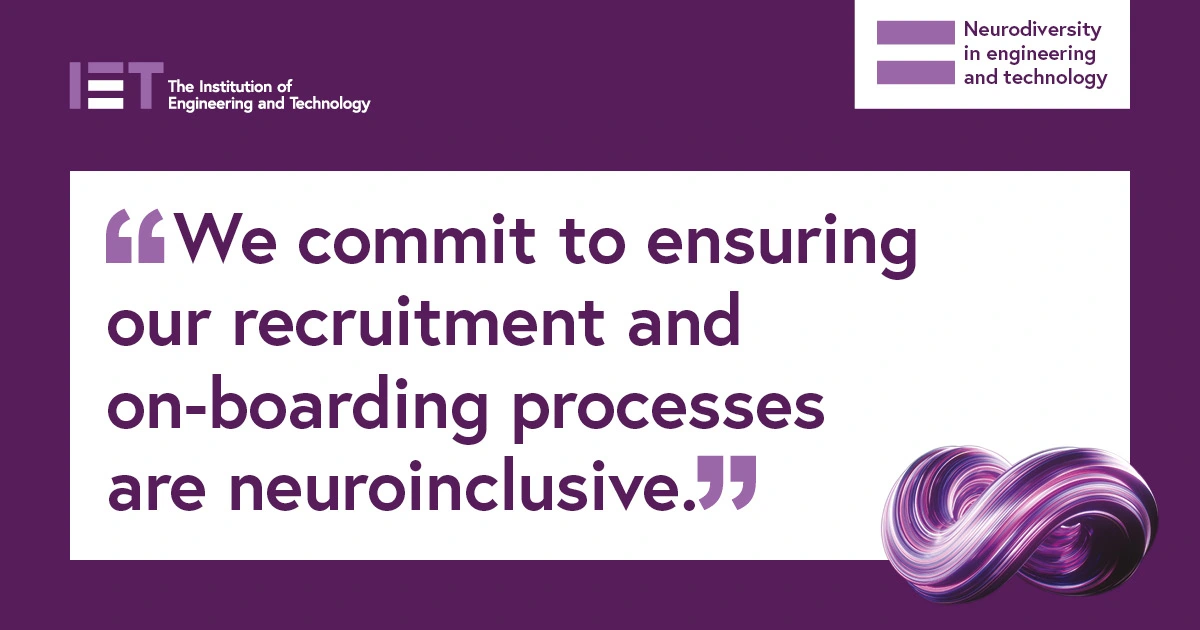
Engineering Belonging: Leading Neurodiversity Inclusion Across the Sector
As Chair of the IET’s Neurodiversity Advisory Group, I had the privilege of leading a groundbreaking initiative to uncover and amplify the lived experiences of neurodivergent engineers and technicians across the UK. In 2022, a survey conducted by the Institution of Engineering and Technology (IET) revealed that nearly one in five volunteers identified as definitely or possibly neurodivergent, highlighting both the presence and the urgent unmet needs of a community long underrepresented in the field.
Challenges
& Objectives
/ Project Overview
As a neurodivergent engineer and long-standing member of the IET’s Neurodiversity Member Network, I understood first-hand the importance of creating space for voices that are too often marginalised or misunderstood. I was honoured to lead a working party of extraordinary individuals, many neurodivergent themselves, whose insight, expertise and openness shaped every aspect of this research.
/ Challenges
My role as Chair involved setting the strategic framework, guiding the working party across months of stakeholder engagement, shaping the scope and focus of the study, and ensuring alignment with practical, actionable outcomes. I advocated at every stage for centring lived experience and insisted that this project not only reflect the challenges neurodivergent professionals face, but identify real pathways to progress.
The report uncovered stark findings. While neurodivergent engineers bring essential skills, pattern recognition, creative thinking, intense focus, the workplace rarely recognises, supports or harnesses these strengths. Many participants reported fear of disclosure, stigma, and systemic barriers to accessibility. The report makes it clear: without inclusive structures, the sector not only fails individuals, it squanders talent, incurs financial risk, and misses the opportunity to innovate more effectively.
But this report doesn’t stop at diagnosis. It is a call to action.
/ Objectives
Our research identified seven key areas for change, from raising awareness and empowering line managers, to integrating inclusive practices and improving access to workplace adjustments. We developed tailored recommendations for employers, managers, allies and neurodivergent professionals themselves, with one shared goal: to make engineering and technology truly neuro inclusive.
This project exemplifies the leadership I bring to complex, multi-stakeholder initiatives. As Chair, I ensured delivery was collaborative, credible, and bold in its ambition, transforming insight into strategy and lived experience into structured, impactful change.
/ Final Outcome
More than a report, Neurodiversity in Engineering is a blueprint for a more inclusive future. I’m proud to have led its development and to continue championing equity in innovation, because the future of engineering should work for every mind.